
Views: 0 Author: Site Editor Publish Time: 2025-08-08 Origin: Site
Are you wondering if rigid foam board insulation needs a vapor barrier? As one of the most popular materials for energy-efficient construction, rigid foam board is praised for its durability and insulating power. But is it enough on its own, or should you consider adding a vapor barrier? In this post, we'll explore when and why you might need a vapor barrier with rigid foam board, helping you make the best choice for your building project.
Rigid foam board is a type of insulation made from dense foam materials. It’s widely used in construction to enhance energy efficiency and improve thermal resistance. These boards come in various types and are designed to provide continuous insulation across walls, roofs, and foundations.
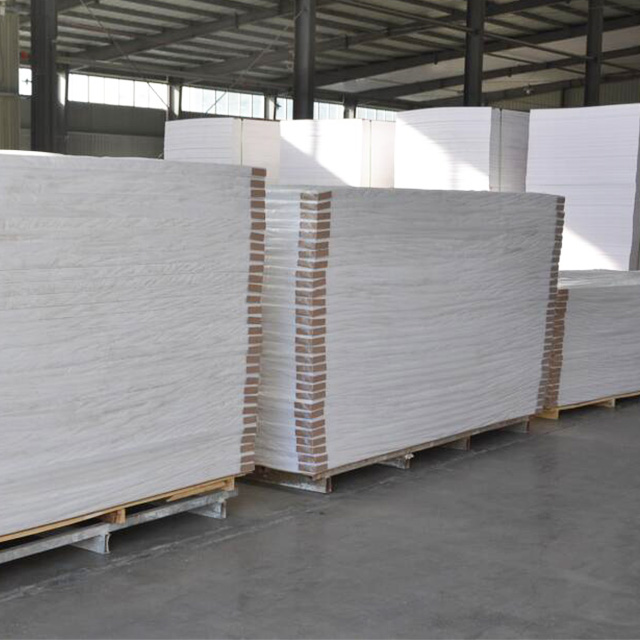
Rigid foam boards are typically made from materials like EPS (Expanded Polystyrene), XPS (Extruded Polystyrene), and Polyisocyanurate. Each type has its unique properties, making it suitable for different applications:
EPS: The most affordable option, offering moderate insulation.
XPS: Known for its higher R-value and moisture resistance.
Polyisocyanurate: Provides the highest R-value, often used in high-performance applications.
These boards are commonly used in construction for walls, roofs, basements, and foundations. Their ability to resist heat flow makes them ideal for maintaining comfortable indoor temperatures and lowering energy costs.
Rigid foam boards are known for their impressive properties:
Lightweight and Easy to Handle: Compared to other types of insulation, foam boards are easy to carry and install.
High Thermal Resistance (R-value): Rigid foam boards provide excellent insulation, helping to maintain desired indoor temperatures.
Moisture-Resistant: Different foam types, especially XPS, have moisture-resistant properties, making them ideal for use in damp areas like basements and foundations.
These characteristics make rigid foam boards a top choice for many construction projects, especially those requiring long-lasting, energy-efficient solutions.
A vapor barrier is a material used to prevent moisture from moving through walls, floors, and ceilings. It helps control the flow of water vapor, which can otherwise lead to condensation within building structures. Vapor barriers are essential for maintaining the efficiency of insulation and protecting the integrity of your building.
Vapor barriers are designed to resist the passage of water vapor. They are typically used in areas where high humidity or moisture could cause problems. Common vapor barrier materials include:
Polyethylene Sheeting: A widely used option, it’s flexible and durable, offering a tight seal.
Foil-Faced Foam Boards: These can act as both insulation and a vapor barrier, providing a dual purpose.
These materials help block moisture from penetrating walls and other parts of the structure, protecting insulation and preventing damage.
Controlling moisture in insulation is critical to avoid serious issues like mold, mildew, and structural damage. Over time, moisture can deteriorate foam board insulation, causing it to lose its effectiveness. Here’s how moisture affects foam board insulation:
Loss of R-value: Moisture can reduce the thermal resistance of foam boards, making them less effective at insulating.
Degradation: Prolonged exposure to moisture can break down the foam, weakening its structure.
Rigid foam board is widely used for its excellent insulation properties. However, when it comes to moisture control, a common question arises: does it need a vapor barrier? To answer this, we must first understand how the permeability of foam boards like XPS and EPS affects moisture management. Then, we’ll explore when a vapor barrier is needed and when it isn’t.
Vapor permeability refers to a material's ability to let moisture pass through it. Different types of rigid foam boards have different levels of permeability, which influences whether a vapor barrier is required.
XPS (Extruded Polystyrene): XPS has low permeability, meaning it doesn’t allow much moisture to pass through. This makes it an excellent choice for areas that need moisture resistance. However, because XPS doesn’t let moisture escape, it can trap moisture inside the walls. In colder climates, where the risk of condensation is higher, using a vapor barrier is often necessary to prevent trapped moisture from damaging the insulation or structure.
EPS (Expanded Polystyrene): EPS has higher permeability than XPS, meaning it allows more moisture to pass through. While this makes it less prone to moisture buildup, it also means that EPS may not require a vapor barrier in most cases. However, in particularly damp environments or areas where condensation risk is high, additional moisture control measures might still be beneficial.
In general, the type of foam board you choose will impact whether a vapor barrier is needed. For XPS, especially in colder climates or below-grade applications, a vapor barrier is recommended. With EPS, it’s more about the specific environmental conditions and how much moisture needs to be controlled.
There are situations where rigid foam board can effectively act as a moisture control solution without needing an additional vapor barrier. These conditions often occur in dry or well-ventilated areas.
Above-grade exterior walls: For walls above ground level, rigid foam board usually provides enough moisture resistance on its own. When properly installed, it can keep moisture from entering the building. A vapor barrier may not be necessary for these types of applications, particularly in dry climates where there is little risk of moisture penetration from the outside.
Dry climates and areas with good air circulation: In regions where humidity levels are low and airflow is excellent, the risk of moisture accumulation behind rigid foam board is minimal. In these areas, foam board’s natural properties, like its insulation and moisture-resistant capabilities, are often enough to keep walls dry. Here, adding a vapor barrier could even trap moisture that would naturally escape, which could lead to mold or mildew growth.
When using foam board in these situations, it’s important to ensure that the installation is done correctly, especially around seams and joints. Gaps between boards or poorly sealed areas can allow moisture to seep in, making the addition of a vapor barrier more important. However, in most dry climates, rigid foam board alone will suffice.
While there are situations where rigid foam board doesn’t need a vapor barrier, there are also circumstances where a vapor barrier is essential for maintaining the insulation’s effectiveness and protecting the building from moisture damage.
Below-grade applications (e.g., basements, foundations): When rigid foam board is used below ground, such as in basements or on foundation walls, moisture control becomes critical. Ground moisture can easily seep through walls, and without a vapor barrier, this moisture can penetrate the foam board, reducing its insulation efficiency. This is particularly important in areas with high water tables or where moisture naturally rises from the ground. In these cases, using a vapor barrier will prevent the foam board from becoming a conduit for moisture, which could lead to structural damage and mold growth.
High-humidity environments: In areas with consistently high humidity levels, such as bathrooms or kitchens, moisture control is vital. Even if you’re using rigid foam board with high moisture resistance, humidity can still cause problems over time. A vapor barrier in these environments helps maintain the foam board’s insulation value by preventing moisture from accumulating and affecting the board’s performance.
Cold and humid climates: In regions with cold, humid climates, the risk of condensation inside walls is higher. Condensation can form when warm, moist air meets a cold surface, such as a foam board in an insulated wall. This moisture can condense on the inside of the foam board, potentially causing damage to the board itself or other building materials. A vapor barrier helps prevent this by keeping moisture from moving into the insulation in the first place. In these cases, it's essential to install a vapor barrier correctly to avoid long-term issues.
For example, in places like the Pacific Northwest or northern Europe, where both cold and humidity are common, it’s usually recommended to include a vapor barrier when using rigid foam board. This ensures that the insulation remains effective and prevents potential moisture issues from compromising the structure.
Installing a vapor barrier correctly with rigid foam board is crucial for moisture control and ensuring the longevity of your insulation. Follow these steps to ensure that your vapor barrier installation is effective and prevents future issues.
When deciding on the best vapor barrier to use with rigid foam board, it’s important to understand the different options available:
Foil-faced foam board: This type of foam board comes with a built-in vapor barrier. It provides a dual function—insulation and moisture control—by preventing moisture from penetrating the foam board and reducing the chance of mold or mildew growth. Foil-faced foam boards are ideal for high-humidity areas or applications where extra moisture resistance is required.
Non-faced foam board: If you choose a non-faced foam board, you'll need to install a separate vapor barrier. Common options include polyethylene sheeting and house wrap. Polyethylene sheeting is a simple, cost-effective choice, but it requires careful sealing. House wrap is another option that acts as both a moisture and air barrier, ideal for exterior applications.
Each vapor barrier has its pros and cons, but the choice largely depends on your specific needs and climate. Foil-faced foam boards offer convenience and are best for areas with high moisture, while polyethylene or house wrap can be used for additional moisture control if you’re working with non-faced foam boards.
To get the best performance from your vapor barrier and foam board, you need to install it correctly. Here are some best practices:
Sealing seams and edges of foam board: The seams where foam boards meet are often the weakest points for moisture infiltration. To prevent this, use a strong, waterproof tape to seal the joints between foam boards. The adhesive should be designed for insulation applications, ensuring it sticks well to the foam and prevents any air or moisture from passing through.
How to ensure a tight seal: When installing the vapor barrier, make sure it covers all surfaces evenly and tightly. Ensure the vapor barrier overlaps at the seams and that there are no gaps or loose areas. Pay special attention to corners and joints. You can use caulk or foam sealant around the edges of the foam board to create a complete seal. This will prevent moisture from getting behind the foam, where it could cause damage.
Use of tape or adhesive: If you're using polyethylene sheeting or house wrap, use tape or adhesive to secure the edges of the vapor barrier to the wall. This ensures that no moisture gets behind the barrier and into your insulation. Make sure to follow the manufacturer’s instructions for the best results.
Even experienced installers can make mistakes when working with vapor barriers. Avoid the following errors to ensure long-lasting protection:
Incorrect placement of vapor barriers: Make sure the vapor barrier is placed on the correct side of the insulation. Typically, the vapor barrier should be installed on the warm side of the insulation to prevent moisture from moving into the foam board. Installing it incorrectly could lead to trapped moisture, which can cause condensation and mold growth.
Failing to seal gaps and joints properly: One of the most common mistakes is leaving gaps between foam board seams or the vapor barrier edges. Any small hole or crack can allow moisture to seep in, ruining the insulation’s performance. Ensure all gaps are sealed properly, and check for any missed spots before finalizing the installation.
If you skip using a vapor barrier with rigid foam board, you may face several issues that affect both the performance of your insulation and the overall health of your building. Here's what could go wrong.
Condensation problems: Moisture can build up within the wall, especially when warm air meets cold surfaces like foam board insulation. This can cause condensation, leading to water accumulation behind the insulation. Over time, this trapped moisture can damage both the foam board and surrounding materials.
Increased risk of mold, mildew, and structural damage: When moisture remains trapped in the walls, it creates the perfect environment for mold and mildew to grow. These can weaken structural elements, cause health issues, and lead to unpleasant odors. Mold and mildew can also degrade foam board insulation, reducing its R-value and effectiveness.
Decrease in energy efficiency: Moisture buildup can degrade the quality of foam board insulation. As the insulation becomes wet or compromised, it loses its ability to resist heat transfer. This results in higher energy bills as your HVAC system works harder to maintain indoor temperatures.
While it's often best to install a vapor barrier, there are ways to prevent moisture problems if you choose not to use one.
Air sealing techniques: Ensure that all gaps and joints in the foam board are properly sealed to prevent air from entering and carrying moisture into the wall cavity. Using caulk or foam sealant around the edges of the foam board and other openings can significantly reduce moisture infiltration.
Proper ventilation and insulation thickness: Ensure the space is properly ventilated to allow moisture to escape. Installing adequate ventilation will help manage humidity levels and prevent condensation. Additionally, thicker insulation can help control temperature fluctuations and reduce the chances of moisture buildup.
Rigid foam board may require a vapor barrier in cold, humid climates or below-grade applications to prevent moisture buildup. Proper moisture control ensures insulation efficiency and longevity. Homeowners and builders should assess local climate and building conditions before deciding. Focus on long-term energy savings and insulation durability, ensuring effective moisture management for optimal performance.
A: Rigid foam board may need a vapor barrier depending on the climate and application. For colder climates or below-grade applications, a vapor barrier is recommended to prevent moisture buildup. In dry areas or above-grade applications, foam board alone may suffice.
A: The common types of rigid foam boards are EPS (Expanded Polystyrene), XPS (Extruded Polystyrene), and Polyisocyanurate. Each offers varying degrees of moisture resistance and thermal insulation.
A: A vapor barrier prevents moisture from penetrating insulation and building materials, reducing the risk of mold, mildew, and structural damage.


