
Views: 0 Author: Site Editor Publish Time: 2025-08-12 Origin: Site
Have you ever wondered how rigid foam boards can improve energy efficiency in buildings? These versatile materials are used in everything from insulation to soundproofing.
In this post, we’ll explore what rigid foam boards are made of and the key benefits they offer. You’ll also learn how they are used in various applications across industries, including construction, roofing, and foundations.
Rigid foam boards are a type of insulation material used in construction, roofing, and various other applications. Unlike other insulation types, rigid foam boards are solid and provide a continuous layer of thermal resistance. They come in different materials, each offering unique properties to suit specific needs.
Rigid foam boards are made of closed-cell foam materials that help resist heat transfer. They are often used to insulate walls, roofs, and foundations. What sets them apart from other insulation options, like fiberglass or spray foam, is their ability to maintain shape and provide more consistent insulation performance.
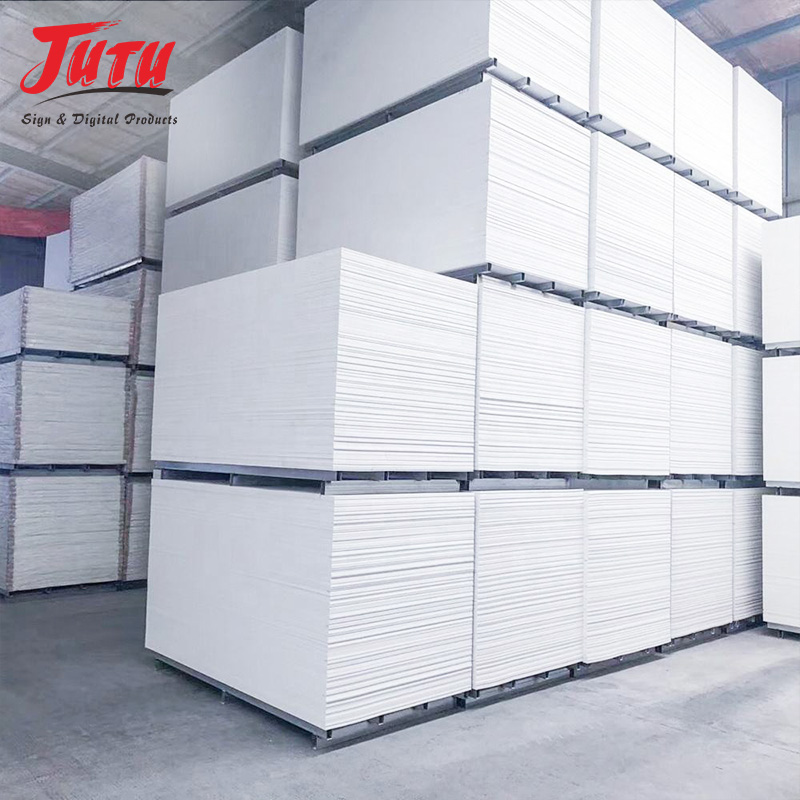
There are several types of rigid foam boards, each made from different materials. The most common types include:
EPS (Expanded Polystyrene): Lightweight and cost-effective, commonly used for general insulation.
XPS (Extruded Polystyrene): Known for its moisture resistance, typically used in foundation insulation.
Polyiso (Polyisocyanurate): Offers the highest R-value per inch, ideal for roofing applications.
PVC Foam Board: A type of rigid foam known for its durability and water resistance. PVC foam board is often used in signage, decorative panels, and other applications that require both insulation and aesthetic appeal.
Rigid foam boards have several characteristics that make them a preferred choice for insulation:
Lightweight: Easy to handle and install without compromising strength.
Durable: Resistant to wear and tear, and doesn’t degrade over time as some other materials do.
Moisture-resistant: Great for wet or high-humidity environments, such as basements or exterior walls.
Energy-efficient: With a high R-value, they provide excellent thermal resistance, reducing heating and cooling costs.
These properties make rigid foam boards an essential material in modern construction, helping to create energy-efficient, moisture-resistant buildings.
Rigid foam boards are widely used in construction and other industries due to their impressive insulation properties and versatile applications. Whether you’re insulating a roof, foundation, or even using it for soundproofing, rigid foam boards play a crucial role in enhancing the energy efficiency and durability of various structures.
Rigid foam boards are one of the most effective materials for insulation, especially in buildings. Their ability to provide continuous, high-performance insulation makes them an ideal choice for various applications.
Rigid foam boards are commonly used in commercial and residential roofing. These boards help improve energy efficiency by creating a thermal barrier that prevents heat loss in the winter and keeps buildings cooler in the summer. By applying foam boards, a roofing system becomes more efficient in maintaining a consistent indoor temperature.
In flat roofs, rigid foam boards also help create drainage slopes, which allow water to flow off the surface easily, preventing pooling that can lead to leaks and damage. The continuous insulation they provide is essential in reducing energy bills and enhancing the lifespan of the building’s roof.
Rigid foam boards are used on both interior and exterior walls to create thermal barriers. These barriers prevent the transfer of heat from the outside into the building during hot weather, and they also keep the warmth inside during cold weather. This insulation helps maintain a stable indoor temperature, increasing comfort and reducing energy costs.
One of the major advantages of rigid foam board insulation is its ability to prevent thermal bridging. Thermal bridging occurs when materials like studs or concrete transmit heat more easily than insulated walls. Rigid foam boards minimize this heat loss, ensuring better overall energy efficiency.
Rigid foam boards are perfect for foundations and slabs in both residential and commercial buildings. They are designed to prevent heat from transferring between the building and the ground, which is especially important in regions with cold climates or extreme temperatures. By insulating the foundation, foam boards help maintain a comfortable indoor temperature, making heating and cooling more efficient.
In areas with high moisture levels or where flooding is common, rigid foam boards provide an additional layer of protection. Their moisture-resistant properties help prevent damage caused by water infiltration into the foundation and slab.
Rigid foam boards are commonly used in basement walls due to their ability to both insulate and prevent moisture issues. Basements are prone to both heat loss and water-related issues, making them difficult to insulate effectively. Rigid foam boards help by providing a barrier against heat loss and preventing mold and mildew growth caused by moisture. The material’s moisture resistance is particularly beneficial in damp environments like basements, where traditional insulation might struggle.
Rigid foam boards are highly effective in both moisture and vapor management, which is why they are often used in environments with high humidity or water exposure.
Rigid foam boards are designed to act as excellent water barriers. They prevent water penetration into walls, foundations, and other areas that may be exposed to rain, snow, or flooding. This makes them especially useful in foundations and basements, where moisture can easily seep through and cause damage to structural elements. By using foam boards, construction projects benefit from reduced risk of water-related issues, such as mold growth and decay.
In addition to waterproofing, PVC foam boards serve as vapor barriers. These boards are ideal for locations where moisture buildup and mold growth could be a concern. For instance, in bathrooms or kitchens where high humidity is common, PVC foam boards act to prevent moisture from accumulating between walls and the insulation layer. This prevents the growth of harmful mold and ensures healthier indoor air quality.
Rigid foam boards aren’t just used for insulation and moisture control—they are also highly effective in soundproofing. These materials are used in various applications where noise reduction is important, such as in apartments, offices, and homes with shared spaces.
The soundproofing properties of rigid foam boards are particularly beneficial in environments that need noise control. They help reduce noise transmission between rooms, which is especially useful in multi-family housing or offices where people need to work without distractions. By installing rigid foam boards in walls or floors, you can create a quieter environment, improving both comfort and productivity.
Rigid foam boards can be placed between rooms or under floors to absorb sound and reduce unwanted noise from external sources. They also help create more privacy in buildings where soundproofing is crucial, such as music studios or home theaters.
Rigid foam boards are often used as protective barriers in commercial and industrial settings, providing both insulation and durability.
In commercial and residential buildings, rigid foam boards are used as weather-resistant barriers on exterior walls. These barriers prevent air leaks and moisture infiltration, which can lead to reduced energy efficiency and structural damage. The foam boards help to create a continuous thermal layer that maintains the building's internal climate, reducing energy consumption and improving comfort.
The energy efficiency benefits of using rigid foam boards as sheathing are particularly important for commercial buildings where heating and cooling costs can be significant. Foam boards are also commonly used in energy-efficient designs to help meet building codes and green building certifications.
Rigid foam boards are commonly used to seal gaps in framing systems, improving overall insulation performance.
During the construction of walls, floors, and ceilings, gaps often form between the framing members. These gaps can lead to air infiltration and reduce the effectiveness of insulation. By using rigid foam boards, these gaps can be filled, preventing drafts and improving thermal insulation. This results in a more energy-efficient building and a more comfortable indoor environment.
The boards also provide added protection from moisture and air leaks, ensuring that the building is well-insulated and protected from the elements.
Rigid foam boards offer several advantages, making them a popular choice for insulation and other applications in construction. Here are some of the key benefits of using them:
One of the biggest benefits of rigid foam boards is their energy efficiency. These boards are known for their high R-value, which measures the material’s ability to resist heat flow. The higher the R-value, the better the insulation performance.
Superior thermal resistance: Rigid foam boards provide excellent insulation, keeping buildings warm in winter and cool in summer.
Lower energy consumption: By preventing heat loss, foam boards help reduce the need for heating and cooling, which in turn lowers energy bills. This makes them an ideal solution for both residential and commercial buildings.
Rigid foam boards are highly resistant to moisture, making them a top choice for areas where water exposure is a concern.
Ideal for wet conditions: Foam boards work well in environments such as foundations, basements, and below-grade applications, where moisture can often cause damage to other types of insulation.
Prevents mold and mildew: Because foam boards do not absorb water, they protect buildings from the risks of mold and mildew, which can degrade the structure and pose health risks.
Another major advantage of rigid foam boards is their durability. These materials are designed to last for many years, providing long-term insulation without degrading over time.
Long-lasting: Rigid foam boards are known for their strength and ability to hold up in various environmental conditions. Unlike some other types of insulation, they do not lose their effectiveness over time.
Resistant to damage: Foam boards can withstand moisture, pests, and environmental factors. They won’t break down or lose their insulating properties, even in challenging conditions.
Choosing the right insulation material for a project is crucial for ensuring long-term performance and cost-effectiveness. While there are several options available, rigid foam boards stand out due to their unique properties. Let’s take a look at how rigid foam compares with other insulation materials and when it might be the better choice.
Fiberglass:
Fiberglass is one of the most commonly used insulation materials. It’s relatively affordable and offers decent thermal resistance. However, fiberglass is often bulky, can absorb moisture, and loses its insulating properties over time if it gets wet. Rigid foam boards, on the other hand, are more resistant to moisture and retain their R-value even in damp conditions.
Spray Foam:
Spray foam insulation is another popular choice, known for expanding to fill gaps and cracks. While it offers a good seal and excellent insulation, it can be more expensive and requires professional installation. Rigid foam boards provide similar benefits in terms of energy efficiency but are much easier to install as DIY projects. They are also typically more cost-effective compared to spray foam, especially in large-scale applications.
Energy Efficiency:
Rigid foam boards have a higher R-value per inch than many other insulation materials, including fiberglass and spray foam. This makes them a great option for maximizing energy efficiency in both residential and commercial buildings. If you’re aiming to reduce energy bills and improve thermal comfort, rigid foam boards are a reliable choice.
Moisture Resistance:
In environments prone to high moisture, such as basements or foundations, rigid foam boards are a superior choice. Unlike fiberglass, which can absorb moisture and lose its insulating properties, rigid foam boards are water-resistant, providing a lasting barrier against dampness and mold growth.
Durability:
Rigid foam boards are known for their long lifespan. They are resistant to pests, mold, and moisture damage, ensuring that the insulation remains effective for many years. If you need an insulation material that will hold up in tough environments, such as areas exposed to the elements or high humidity, rigid foam boards outperform materials like fiberglass and spray foam, which may degrade over time.
Rigid foam boards are versatile, offering excellent insulation, moisture control, and energy efficiency. They prevent heat loss, resist moisture, and last long, making them ideal for roofs, walls, and foundations.
For energy-saving projects and construction applications, rigid foam boards are a smart choice. Their high R-value and durability ensure lasting performance and reduced energy costs.
A: Rigid foam boards are known for their durability and long lifespan, often lasting for decades in various climates without significant degradation.
A: Yes, rigid foam boards can be used outdoors, especially for applications like foundation insulation or exterior sheathing. To protect them from the elements, ensure they are properly sealed and shielded from direct UV exposure.
A: Rigid foam boards are generally safe to use during installation. However, safety precautions, such as wearing a mask and gloves, are recommended to avoid irritation from dust during cutting. Environmental concerns mainly revolve around the chemicals used in production, but these boards are non-toxic once installed.


