
Views: 0 Author: Site Editor Publish Time: 2026-03-17 Origin: Site
When designing interior spaces, the choice of wall materials can dramatically influence both aesthetics and functionality. Traditional options like gypsum, MDF, or timber have served well, but they often fall short in areas like moisture resistance, durability, and ease of maintenance. In recent years, PVC foam board has emerged as a highly versatile and practical material for interior wall panels. Lightweight, durable, and visually appealing, PVC foam board provides architects, interior designers, and homeowners with a modern solution that meets both aesthetic and functional demands.
In this article, we explore why PVC foam board is the perfect choice for interior wall panels, detailing its advantages, applications, installation methods, and maintenance tips. We also offer professional insights on how to maximize its potential in various interior design projects.
PVC foam board, also known as foamed PVC or expanded PVC, is a synthetic material made from polyvinyl chloride with integrated foaming agents. The foaming process creates a cellular, closed-cell structure, giving the board its unique combination of lightweight rigidity and strength. Unlike solid plastic sheets or timber panels, PVC foam board is highly resistant to moisture, fire, impact, and chemical exposure. Its smooth, non-porous surface also allows for easy cleaning, finishing, and decoration, making it ideal for both residential and commercial interiors.
The material has long been used in signage, construction, and industrial applications. Its migration into interior design is driven by its unmatched versatility, modern appearance, and practical benefits over conventional materials.
One of the most significant challenges in interior wall design is preventing moisture damage. Traditional materials like MDF, gypsum, and wood panels can warp, swell, or deteriorate when exposed to humidity or occasional water contact. PVC foam board’s closed-cell structure prevents water absorption, keeping walls structurally stable and visually intact over time. This makes it ideal for high-humidity areas such as bathrooms, kitchens, and basements.
Additionally, moisture resistance reduces the risk of mold and mildew growth, promoting a healthier indoor environment. For commercial projects, such as offices or restaurants, this property ensures that walls remain hygienic and durable under heavy usage conditions.
Fire safety is a critical consideration for interior spaces. PVC foam board is inherently fire-retardant, meaning it will not easily ignite and tends to self-extinguish when exposed to small flames. While it is not entirely fireproof, its behavior under heat conditions significantly reduces the risk of fire propagation compared to timber or MDF.
Using PVC foam board in interior wall panels adds a layer of protection, especially in public buildings, hotels, or areas with high heat exposure. Safety regulations can also be more easily met, providing peace of mind for property owners and designers alike.
PVC foam board’s low density makes it considerably lighter than wood, MDF, or gypsum panels. This lightweight nature simplifies transportation, handling, and installation. Designers and installers can work more efficiently without the need for heavy lifting equipment, reducing labor costs and project timelines.
Moreover, lightweight panels exert less stress on wall frames and structural elements. This advantage is particularly valuable in modular construction, renovation projects, and situations where walls may be repositioned or modified over time.
PVC foam board provides designers with a wide range of aesthetic possibilities:
Smooth Surface: The non-porous, smooth surface allows for painting, laminating, or applying decorative films.
Textured Panels: Embossed or patterned PVC panels can simulate natural materials such as wood, stone, or metal.
Custom Shapes: CNC routing and cutting enable intricate designs, profiles, and inlays, suitable for modern, minimalist, or ornate interiors.
Color Options: Available in a variety of colors, PVC foam boards can complement any interior design palette.
This flexibility makes PVC foam board suitable for feature walls, partitions, ceilings, and even full-wall paneling. Designers can achieve a high-end look without the complications or costs associated with natural materials.
Interior walls are often exposed to minor impacts, furniture bumps, or cleaning tools. PVC foam board’s cellular structure offers excellent impact resistance, maintaining integrity even under daily wear and tear. The material is also less prone to scratches and dents compared to MDF or softwood, ensuring that walls remain pristine for years.
For commercial interiors or high-traffic residential spaces, this durability translates to lower maintenance costs and longer-lasting aesthetics.
Hygiene and maintenance are increasingly important considerations for interior materials. PVC foam board’s non-porous surface does not harbor dust, mold, or bacteria. Routine cleaning is simple—wiping with a damp cloth or mild detergent is typically sufficient. The material also resists chemical cleaners, allowing for thorough sanitation without surface damage.
This feature is particularly beneficial for hospitals, schools, restaurants, and kitchens, where cleanliness is paramount.
PVC foam board offers a cost-effective alternative to wood, MDF, and decorative stone panels. It provides similar visual appeal and structural performance at a fraction of the cost. The lightweight nature reduces labor costs during installation, and low maintenance requirements minimize long-term expenses. Overall, the material represents a high-value investment for homeowners, contractors, and designers.
Sustainability is increasingly important in construction and interior design. PVC foam board is recyclable, reducing its environmental impact compared to timber sourced from deforestation. Certified low-VOC PVC boards ensure indoor air quality is maintained, aligning with green building standards. Its fire-retardant and moisture-resistant properties further contribute to safe and environmentally responsible interior spaces.
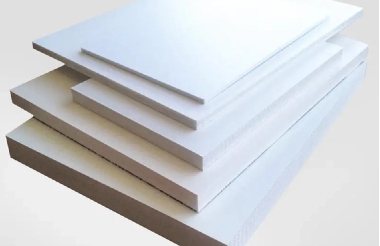
PVC foam board can be used across a wide variety of interior applications:
Residential Spaces: Bedrooms, living rooms, kitchens, bathrooms, and basements benefit from moisture-resistant and aesthetically versatile panels.
Commercial Buildings: Offices, retail spaces, hotels, restaurants, and healthcare facilities can utilize PVC panels for feature walls, partitions, and hygienic surfaces.
Ceiling Panels: Lightweight and customizable, PVC foam boards are suitable for suspended ceilings or decorative ceiling designs.
Partitions and Dividers: Ideal for modular office layouts or temporary interiors, PVC panels are easy to install, move, and maintain.
By adapting to different interior needs, PVC foam board demonstrates remarkable versatility and practicality.
Proper installation is crucial to maximize the benefits of PVC foam board:
PVC foam panels
Measuring tape and pencil
Level and straightedge
Saw or CNC router for cutting
Adhesives or screws
Sealing materials (silicone or PVC sealant)
Finishing materials (laminates, paints, or decorative films)
Prepare the Wall Surface: Ensure the wall is clean, dry, and level. Remove debris and repair any uneven areas.
Measure and Mark: Accurately measure panel dimensions, marking cut lines on the board.
Cut Panels: Use a fine-toothed saw or CNC router for precision. Sand edges if necessary.
Attach Panels: Panels can be secured with screws, adhesives, or combination fasteners. Pre-drilling screw holes is recommended.
Seal Joints: Apply silicone or PVC sealant along edges to prevent moisture infiltration.
Finishing Touches: Apply laminates, paint, or decorative films to achieve the desired look. Smooth any gaps or uneven areas.
PVC foam board’s lightweight and rigid properties simplify installation, reducing labor effort and allowing for modular or custom designs.
Maintaining PVC foam board wall panels is simple:
Wipe surfaces regularly with a damp cloth.
Avoid abrasive cleaning tools or harsh chemicals.
Inspect panels periodically for loose joints or edges.
Address minor scratches or dents with appropriate touch-up materials.
With proper maintenance, PVC foam board wall panels can maintain their aesthetic and structural integrity for decades, outperforming traditional wood, MDF, or gypsum panels in both durability and cost-effectiveness.
Material | Moisture Resistance | Fire Resistance | Maintenance | Design Flexibility | Cost |
PVC Foam Board | Excellent | High | Low | High | Moderate |
MDF | Low | Low | Medium | Medium | Moderate |
Wood | Medium | Low | High | Medium | High |
Gypsum | Medium | Medium | Medium | Low | Low |
From this comparison, it is clear that PVC foam board offers the most balanced solution for modern interior wall panels, combining durability, safety, design versatility, and cost-effectiveness.
At JUTU Technologies Ltd., we specialize in high-quality interior solutions using premium PVC foam boards. Our products are designed to meet rigorous standards for durability, moisture resistance, fire safety, and aesthetics. Whether for residential, commercial, or industrial applications, our team provides expert guidance on material selection, custom designs, and professional installation.
Choosing JUTU Technologies Ltd. ensures that your interior wall panels are not only visually appealing but also engineered for long-term performance. For architects, designers, and homeowners seeking reliable and stylish wall solutions, our PVC foam board panels represent an optimal choice.
Q: What is PVC foam board?
A: PVC foam board is a lightweight, rigid material made from foamed polyvinyl chloride, offering water resistance, fire retardancy, and easy maintenance.
Q: Can PVC foam board be painted or laminated?
A: Yes. Its smooth surface supports paints, laminates, and decorative films, allowing versatile customization of interior walls.
Q: Is PVC foam board suitable for humid areas like bathrooms or kitchens?
A: Absolutely. Its closed-cell structure prevents water absorption, making it ideal for high-humidity environments.
Q: How do I install PVC foam board wall panels safely?
A: Ensure the wall is level, cut panels accurately, use adhesives or screws, seal joints properly, and finish with laminates or paint for a polished look.


